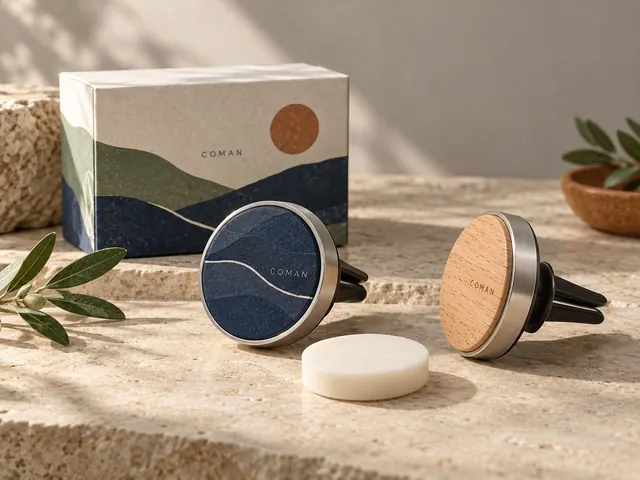
- Home
- Guides
- Sourcing & Private Label
- Private Label Car Fragrance Brand
Starting a Private Label Car Fragrance Brand
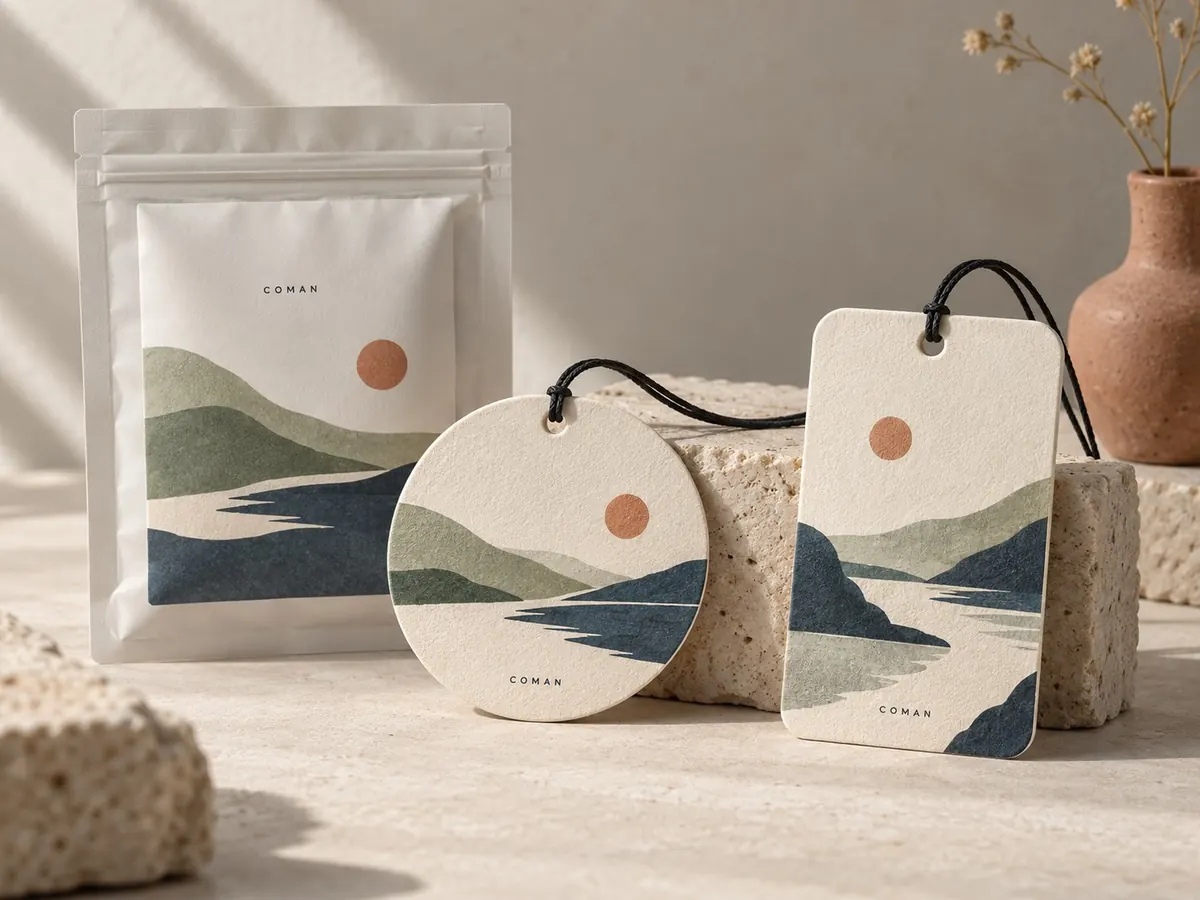
A private label brand takes proven products and makes them yours with your scents, branding and packaging. Move from brief to specification, approved samples and a first order, then build profit through reorders.
A private label car fragrance brand uses proven products from a manufacturer, adapted and packaged under your brand. You decide what the range is, how it smells and how it looks; the manufacturer makes it to your approved specification. Done well, it gives you a real brand without the cost and risk of developing every product from scratch.
This guide follows the project from brief to first order, and then to the reorders that make a brand profitable.
STAGE 1From brief to specification
Write the brand brief
Before contacting manufacturers, describe:
- who buys (driver profile, gift buyer, fleet manager);
- where they buy (online, auto retail, gift stores, salons, car washes);
- what makes your brand different (design, scent style, refillable system, price, fragrance-free option);
- price position relative to what is on the shelf now.
Choose the formats
Most private label car fragrance brands start with one hero format and one or two supporting formats. Examples:
| Brand idea | Hero format | Supporting formats |
|---|---|---|
| Premium refillable | Metal or wooden vent diffuser | Refill cartridges, gift set |
| Design-led gift brand | Hanging glass bottle with wooden cap | Dashboard perfume, scented wood ornament |
| Value retail brand | Paper hanging cards | Vent clips, gel cans |
| Car care brand extension | Interior spray | Vent clip, odor absorber |
| Fleet and rideshare | Fiber can or vent clip | Fragrance-free odor absorber |
Choose formats that match the price position and channel, and check that refills or repeat items exist if repeat sales are part of the plan. See Types of Car Air Fresheners: Formats Compared and Building a Car Fragrance Product Line.
Turn it into a specification
For each item, the specification eventually lists: model and construction, size and fill, materials and colors, decoration (print, logo, finish), scent code, packaging, carton configuration. In the beginning, many of these are open. The aim of sampling is to close them one by one.
STAGE 2Scents and packaging
Build a scent line-up
- Start with a small set covering distinct directions, for example fresh, citrus, woody, sweet and a signature scent.
- Name scents in your own words. Avoid names that refer to existing perfumes or other brands' car scents.
- Evaluate scents in the real format, coded, over several days. See How to Compare Car Fragrance Scent Samples.
- Decide whether you need a custom scent. A signature scent can be the brand's anchor; developing one adds time. See Custom fragrance development.
Design the packaging
Packaging is where a private label brand becomes visible. Decide:
- pack structure for the channel (peg card, blister, window box, printed box, gift set, display box);
- information that must appear: product name, scent name, usage instructions, warnings, net contents, company details, barcode, recycling information where relevant;
- languages for your markets;
- the space all of that takes before the design work starts. See Car Fragrance Label Space: Planning Before Artwork.
See also Car Air Freshener Packaging: Choosing a Structure.
STAGE 3Documents and approved samples
Documents
Ask early which documents exist for the chosen products and scents, and which your market or retailers require:
- SDS for each fragrance or liquid product;
- the fragrance supplier's IFRA conformity document for the intended use;
- product test reports, if required by your market or retailer;
- battery and electrical documents for electric diffusers.
Labeling obligations depend on the market and on who places the product on the market, which is usually you as the brand owner or importer. See Car Air Freshener Quality: Tests and Documents.
Approve the pre-production samples
The pre-production sample combines your final artwork, approved scent and packaging. Check it as a customer would, then approve in writing with sample codes. Keep an approved unit as the reference for production and reorders. See How to Evaluate Car Air Freshener Samples and Golden Samples and Production Change Approval.
STAGE 4First order and reorders
What must be ready for the first order
| Item | Ready? |
|---|---|
| Final artwork files, version-numbered | |
| Approved scent codes per SKU | |
| Approved pre-production sample per SKU | |
| Packaging specification and carton configuration | |
| Barcodes assigned per SKU | |
| Required documents for your market | |
| Quantities per SKU and scent | |
| Delivery term, date and forwarder |
Size the first order
The first order balances supplier minimums, your stock risk and the cost of branded packaging. Branded packaging is often the item with the highest minimum, so consider a design that shares one box or card across scents with a scent sticker or printed variant panel. See Car Air Freshener MOQ: How Order Minimums Work.
Plan for reorders
Reorders are where a private label brand earns money. Plan them from the start:
- keep the specification fixed and version-controlled;
- forecast monthly sell-out and agree a reorder rhythm;
- plan refill availability for refillable products;
- review scents after the first season and replace slow sellers carefully.
See Forecasting Car Fragrance Reorders.
Common pitfalls
- Choosing too many SKUs at launch (every scent multiplies packaging and stock).
- Designing packaging before planning the information that must fit on it.
- Approving scent from a blotter rather than the real product.
- Forgetting refills for a refillable hero product.
- Using names or shapes too close to existing brands.
FAQ
What is the difference between private label and OEM?
The terms overlap. Private label usually means your brand on an existing product; OEM often means the product is made to your specification. See Private Label, OEM and ODM: Choosing a Route.
Can I start with just one product?
Yes. One strong hero product with a few scents is often a better launch than a wide, thin range.
Who is responsible for labeling compliance?
Usually the brand owner or importer who places the product on the market, working with the information the manufacturer supplies. Get qualified advice for your market.
Related: Packaging options · Fragrance library
Send your brand brief, and we will suggest formats, scents and packaging that fit it and send samples.
We make car air fresheners for brands, importers and promotional buyers, and help them plan formats, scents, packaging and documents from brief to reorder.
Keep reading
Related guides
Ready to start a brief?
Start a sourcing brief
Tell us the format, market and quantities you have in mind, and we come back with the options and pricing that fit your project.
Prefer to start with samples?